Why Traditional Exercise Libraries Are Holding Rehab Back
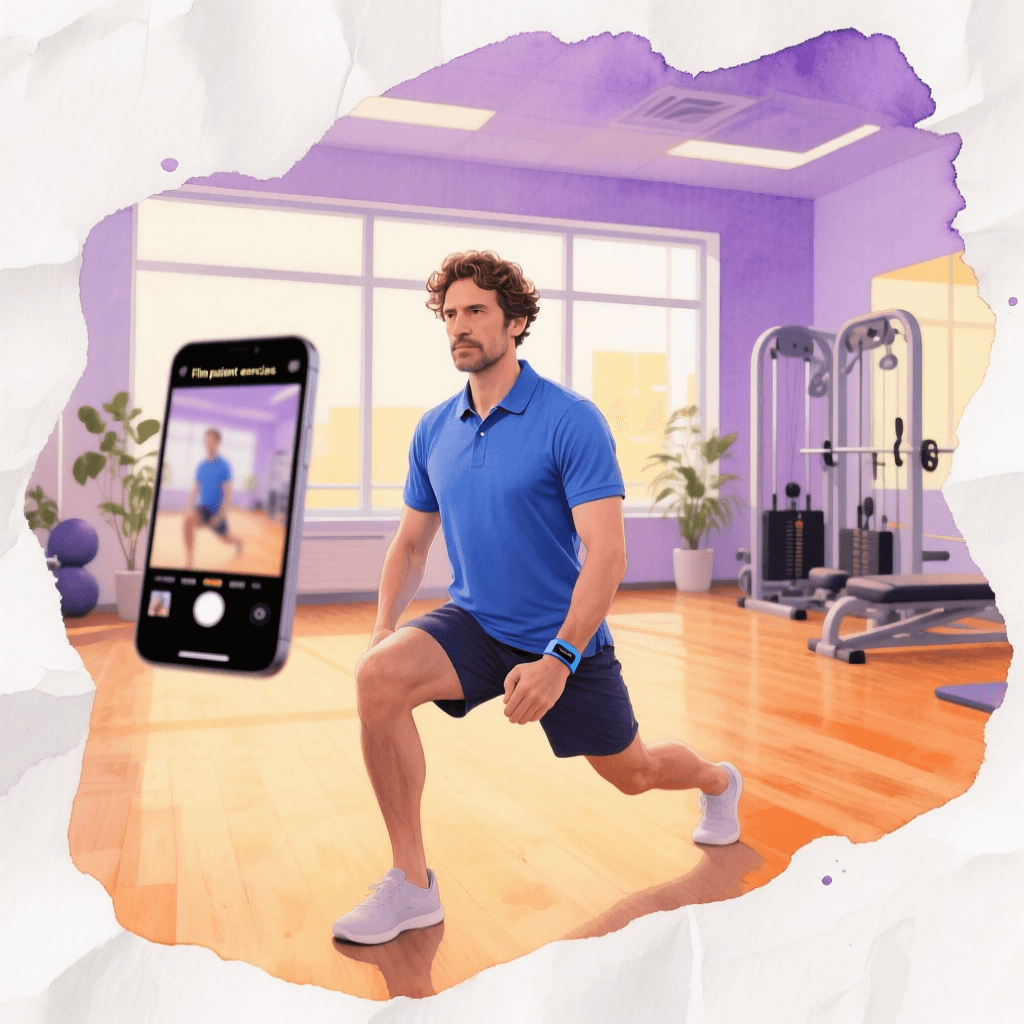

A physiotherapist examines her patient’s perfect plan.
Profile picture of Caelum Trott from PREVE

Caelum Trott from PREVE

November 16, 2025

Why Traditional Exercise Libraries Are Holding Rehab Back

For years, physios and physical therapists have relied on exercise library platforms to build home exercise programs. In theory, they are meant to save time. In reality, most clinicians will tell you they do the opposite.

Scrolling through hundreds of generic exercise videos every day is not efficient. Trying to match those videos to what you actually taught in the consult is even harder. And the end result is often a compromised program that is not truly individualised for the patient.

As patient expectations grow and practitioners look for smarter, faster solutions, it is time to take a closer look at the limitations of exercise library based tools and what modern alternatives can offer.

The Problem With Exercise Libraries

1. They are not individualised

Exercise libraries rely on generic video demonstrations that rarely match exactly how you want your patient to perform the movement. Your cues, your progressions, your regressions, your technique modifications, your load preferences: these never appear in the stock video.

So what do clinicians do?

They choose the closest match, then type long written instructions explaining how to ignore parts of the video and adjust the movement. It works, but it is clunky and far from ideal.

2. It is time consuming to find the right exercise

Most exercise library platforms contain hundreds or thousands of videos. That sounds like variety, but when you are building 10 or more programs per day, it becomes a scrolling marathon.

Physios routinely spend 10 to 15 minutes per patient trying to locate the right exercise variation, only to compromise with something that is close enough but not perfect.

That time adds up quickly across a full caseload.

3. You end up writing extra notes every single time

Because the videos are generic, clinicians almost always need to type detailed instructions:

  • how to do it differently

  • how far to move

  • what tempo to use

  • what to avoid

  • what matters most in the technique

It is hours of unnecessary admin every week simply to correct what the library video cannot show.

4. It creates a confusing patient experience

Patients notice when the video does not match what they were taught in the session. They question their technique, lose confidence, and often avoid doing the exercise at all.

The whole point of a home exercise program is clarity. Traditional libraries often achieve the opposite.

Filming Patients on Their Phone Is Not the Answer Either

The natural workaround many physios use is filming the patient during the session. It solves the individualisation problem, but introduces new ones.

  • The video gets lost on the patient’s phone.

  • The physio has no record of it.

  • It is impossible to track and update progress.

  • The next clinician cannot see it.

  • There is no central plan that ties everything together.

It is better than stock libraries, but still messy and completely disconnected from the treatment plan.

The Better Alternative: Real Videos, Captured in Real Time

Preve solves these problems by allowing physios to record patient specific exercise videos inside the app, during the consult, with no extra admin later.

How it works

During the session, simply film the way you want the exercise done. Preve saves the video directly into the patient’s treatment plan. No uploads. No transferring files. No after hours editing.

Why it works

  • It is truly individualised because it shows the patient doing the exact movement you taught.

  • It saves time because the exercise is captured once and instantly added to their program.

  • It is always accessible to both the physio and the patient.

  • It builds clarity and confidence because the demonstration and the cues match perfectly.

  • It eliminates after hours program building, since everything happens during the session.

The end result is a home exercise program that looks and feels like it was built specifically for that patient, because it was.

A Better Experience for Both Clinician and Patient

Traditional exercise libraries were built for convenience, but they no longer match the expectations of modern practitioners or the needs of patients. They are slow, generic, and create unnecessary admin.

Filming on a phone is personalised, but disorganised and not integrated into a structured plan.

Preve brings the best of both worlds by making it fast, simple, and natural to capture exercise videos that are accurate, individualised, and automatically saved to the patient’s plan.

It means:

  • less admin

  • more precision

  • better adherence

  • clearer patient understanding

  • and a far more professional experience

Rehab should not rely on generic videos and long explanation paragraphs.

It should be built on clarity, individualisation, and convenience.

Preve makes that possible.

Why Traditional Exercise Libraries Are Holding Rehab Back

A physiotherapist examines her patient’s perfect plan.
Profile picture of Caelum Trott from PREVE

Caelum Trott from PREVE

Nov 16, 2025

Why Traditional Exercise Libraries Are Holding Rehab Back

For years, physios and physical therapists have relied on exercise library platforms to build home exercise programs. In theory, they are meant to save time. In reality, most clinicians will tell you they do the opposite.

Scrolling through hundreds of generic exercise videos every day is not efficient. Trying to match those videos to what you actually taught in the consult is even harder. And the end result is often a compromised program that is not truly individualised for the patient.

As patient expectations grow and practitioners look for smarter, faster solutions, it is time to take a closer look at the limitations of exercise library based tools and what modern alternatives can offer.

The Problem With Exercise Libraries

1. They are not individualised

Exercise libraries rely on generic video demonstrations that rarely match exactly how you want your patient to perform the movement. Your cues, your progressions, your regressions, your technique modifications, your load preferences: these never appear in the stock video.

So what do clinicians do?

They choose the closest match, then type long written instructions explaining how to ignore parts of the video and adjust the movement. It works, but it is clunky and far from ideal.

2. It is time consuming to find the right exercise

Most exercise library platforms contain hundreds or thousands of videos. That sounds like variety, but when you are building 10 or more programs per day, it becomes a scrolling marathon.

Physios routinely spend 10 to 15 minutes per patient trying to locate the right exercise variation, only to compromise with something that is close enough but not perfect.

That time adds up quickly across a full caseload.

3. You end up writing extra notes every single time

Because the videos are generic, clinicians almost always need to type detailed instructions:

  • how to do it differently

  • how far to move

  • what tempo to use

  • what to avoid

  • what matters most in the technique

It is hours of unnecessary admin every week simply to correct what the library video cannot show.

4. It creates a confusing patient experience

Patients notice when the video does not match what they were taught in the session. They question their technique, lose confidence, and often avoid doing the exercise at all.

The whole point of a home exercise program is clarity. Traditional libraries often achieve the opposite.

Filming Patients on Their Phone Is Not the Answer Either

The natural workaround many physios use is filming the patient during the session. It solves the individualisation problem, but introduces new ones.

  • The video gets lost on the patient’s phone.

  • The physio has no record of it.

  • It is impossible to track and update progress.

  • The next clinician cannot see it.

  • There is no central plan that ties everything together.

It is better than stock libraries, but still messy and completely disconnected from the treatment plan.

The Better Alternative: Real Videos, Captured in Real Time

Preve solves these problems by allowing physios to record patient specific exercise videos inside the app, during the consult, with no extra admin later.

How it works

During the session, simply film the way you want the exercise done. Preve saves the video directly into the patient’s treatment plan. No uploads. No transferring files. No after hours editing.

Why it works

  • It is truly individualised because it shows the patient doing the exact movement you taught.

  • It saves time because the exercise is captured once and instantly added to their program.

  • It is always accessible to both the physio and the patient.

  • It builds clarity and confidence because the demonstration and the cues match perfectly.

  • It eliminates after hours program building, since everything happens during the session.

The end result is a home exercise program that looks and feels like it was built specifically for that patient, because it was.

A Better Experience for Both Clinician and Patient

Traditional exercise libraries were built for convenience, but they no longer match the expectations of modern practitioners or the needs of patients. They are slow, generic, and create unnecessary admin.

Filming on a phone is personalised, but disorganised and not integrated into a structured plan.

Preve brings the best of both worlds by making it fast, simple, and natural to capture exercise videos that are accurate, individualised, and automatically saved to the patient’s plan.

It means:

  • less admin

  • more precision

  • better adherence

  • clearer patient understanding

  • and a far more professional experience

Rehab should not rely on generic videos and long explanation paragraphs.

It should be built on clarity, individualisation, and convenience.

Preve makes that possible.

Why Traditional Exercise Libraries Are Holding Rehab Back

A physiotherapist examines her patient’s perfect plan.
Profile picture of Caelum Trott from PREVE

Caelum Trott from PREVE

Nov 16, 2025

Why Traditional Exercise Libraries Are Holding Rehab Back

For years, physios and physical therapists have relied on exercise library platforms to build home exercise programs. In theory, they are meant to save time. In reality, most clinicians will tell you they do the opposite.

Scrolling through hundreds of generic exercise videos every day is not efficient. Trying to match those videos to what you actually taught in the consult is even harder. And the end result is often a compromised program that is not truly individualised for the patient.

As patient expectations grow and practitioners look for smarter, faster solutions, it is time to take a closer look at the limitations of exercise library based tools and what modern alternatives can offer.

The Problem With Exercise Libraries

1. They are not individualised

Exercise libraries rely on generic video demonstrations that rarely match exactly how you want your patient to perform the movement. Your cues, your progressions, your regressions, your technique modifications, your load preferences: these never appear in the stock video.

So what do clinicians do?

They choose the closest match, then type long written instructions explaining how to ignore parts of the video and adjust the movement. It works, but it is clunky and far from ideal.

2. It is time consuming to find the right exercise

Most exercise library platforms contain hundreds or thousands of videos. That sounds like variety, but when you are building 10 or more programs per day, it becomes a scrolling marathon.

Physios routinely spend 10 to 15 minutes per patient trying to locate the right exercise variation, only to compromise with something that is close enough but not perfect.

That time adds up quickly across a full caseload.

3. You end up writing extra notes every single time

Because the videos are generic, clinicians almost always need to type detailed instructions:

  • how to do it differently

  • how far to move

  • what tempo to use

  • what to avoid

  • what matters most in the technique

It is hours of unnecessary admin every week simply to correct what the library video cannot show.

4. It creates a confusing patient experience

Patients notice when the video does not match what they were taught in the session. They question their technique, lose confidence, and often avoid doing the exercise at all.

The whole point of a home exercise program is clarity. Traditional libraries often achieve the opposite.

Filming Patients on Their Phone Is Not the Answer Either

The natural workaround many physios use is filming the patient during the session. It solves the individualisation problem, but introduces new ones.

  • The video gets lost on the patient’s phone.

  • The physio has no record of it.

  • It is impossible to track and update progress.

  • The next clinician cannot see it.

  • There is no central plan that ties everything together.

It is better than stock libraries, but still messy and completely disconnected from the treatment plan.

The Better Alternative: Real Videos, Captured in Real Time

Preve solves these problems by allowing physios to record patient specific exercise videos inside the app, during the consult, with no extra admin later.

How it works

During the session, simply film the way you want the exercise done. Preve saves the video directly into the patient’s treatment plan. No uploads. No transferring files. No after hours editing.

Why it works

  • It is truly individualised because it shows the patient doing the exact movement you taught.

  • It saves time because the exercise is captured once and instantly added to their program.

  • It is always accessible to both the physio and the patient.

  • It builds clarity and confidence because the demonstration and the cues match perfectly.

  • It eliminates after hours program building, since everything happens during the session.

The end result is a home exercise program that looks and feels like it was built specifically for that patient, because it was.

A Better Experience for Both Clinician and Patient

Traditional exercise libraries were built for convenience, but they no longer match the expectations of modern practitioners or the needs of patients. They are slow, generic, and create unnecessary admin.

Filming on a phone is personalised, but disorganised and not integrated into a structured plan.

Preve brings the best of both worlds by making it fast, simple, and natural to capture exercise videos that are accurate, individualised, and automatically saved to the patient’s plan.

It means:

  • less admin

  • more precision

  • better adherence

  • clearer patient understanding

  • and a far more professional experience

Rehab should not rely on generic videos and long explanation paragraphs.

It should be built on clarity, individualisation, and convenience.

Preve makes that possible.